
Buy and Sell on Riwaya - the world's first online Islamic premium marketplace. We showcase hand selected sellers in the world and put their products in one website. Born in the COVID-19 pandemic, Riwaya looks to provide a platform to bridge the gap between amazing Islamic sellers and their customers.


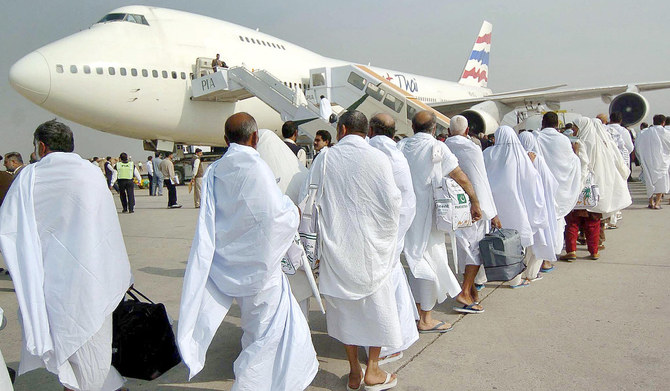
Are you preparing for Hajj? It’s such an exciting and spiritual journey, but along with your bags and essentials, there’s something very important you must not forget: your dua list!
Hajj and Umrah are times when Allah is especially close to His servants, and it’s a wonderful opportunity to make duas for yourself, your loved ones, and the whole Ummah. During this sacred time, your prayers are more likely to be accepted.
In this blog, you’ll find some key duas that you should say during your journey to make the most of this blessed time.
Allah has power over everything, and He is the One who can make your dreams come true. So, whether you’re at home or even travelling, it’s important to take every chance you get to remember Allah and ask for His help. This becomes even more significant when you are travelling for Hajj or Umrah.
If you’re performing Hajj, you’ll have plenty of time to make dua, especially during your stay in Mina and on the plains of Arafah. Whoever performs Hajj or Umrah and prays sincerely to Allah will get their prayers accepted.
Abu Hurairah (RA) reported the Prophet (PBUH) as saying,
‘The pilgrims performing Hajj and Umrah are a delegation to Allah. If they call upon Him, He will answer them; and if they ask for His forgiveness, He will forgive them.’
(Sunan Ibn Majah 2892)
Looking for a clear guide on how to perform Hajj? Explore our latest blog on the seven stages of Hajj for a detailed step-by-step overview.
Before you dive into these supplications, don’t forget to explore Riwaya’s collection of Hajj and Umrah essentials. From prayer mats and abayas to hijabs, prayer beads, and dua books, find everything you need in one place. Start exploring now and tick off every item on your Hajj checklist!
Here is the list of the fourteen best duas you can recite during Hajj:
When starting your Hajj journey, make sure to read the following dua (from Sunnah) for a safe trip and show gratitude to Allah for blessing you with this once-in-a-lifetime experience:
اَللهُ أَكْبَرُ ، اَللهُ أَكْبَرُ ، اَللهُ أَكْبَرُ ، سُبْحَانَ الَّذِيْ سَخَّرَ لَنَا هٰذَا وَمَا كُنَّا لَهُ مُقْرِنِيْنَ ، وَإِنَّا إِلَىٰ رَبِّنَا لَمُنْقَلِبُوْنَ ، اَللّٰهُمَّ إِنَّا نَسْأَلُكَ فِيْ سَفَرِنَا هٰذَا الْبِرَّ وَالتَّقْوَىٰ ، وَمِنَ الْعَمَلِ مَا تَرْضَىٰ ، اَللّٰهُمَّ هَوِّنْ عَلَيْنَا سَفَرَنَا هٰذَا وَاطْوِ عَنَّا بُعْدَهُ ، اَللّٰهُمَّ أَنْتَ الصَّاحِبُ فِي السَّفَرِ ، وَالْخَلِيْفَةُ فِي الْأَهْلِ ، اَللّٰهُمَّ إِنِّيْ أَعُوْذُ بِكَ مِنْ وَعْثَاءِ السَّفَرِ ، وَكَآبَةِ الْمَنْظَرِ ، وَسُوْءِ الْمُنْقَلَبِ فِيْ الْمَالِ وَالْأَهْلِ
Allāhu akbar, Allāhu akbar, Allāhu akbar, subḥāna-l-ladhī sakkhara lanā hādhā wa mā kunnā lahū muqrinīn, wa innā ilā rabbinā la-munqalibūn, Allāhumma innā nas’aluka fī safarinā hādhā-l-birra wa-t-taqwā, wa mina-l-ʿamali mā tarḍā, Allāhumma hawwin ʿalaynā safaranā hādhā wa-ṭ-wi’ ʿannā buʿdah, allāhumma Anta-ṣ-ṣāḥibu fi-s-safar, wa-l-khalīfatu fi-l-ahl, allāhumma innī aʿūdhu bika min waʿthāi-s-safar, wa kaābati-l-manẓar, wa sū’i-l-munqalabi fi-l-māli wa-l-ahl.
Hallowed is He Who subdued for us this (ride) and we were not ourselves powerful enough to use It as a ride, and we are going to return to our Lord. O Allah, we seek virtue and piety from Thee in this journey of ours and the act which pleaseth Thee. O Allah, lighten this journey of ours and make its distance easy for us. O Allah, Thou art (our) companion during the journey, and guardian of (our) family. O Allah, I seek refuge with Thee from hardships of the journey, gloominess of the sights, and finding of evil changes in property and family on return.
(Sahih Muslim 1342)
Ibn Umar (RA) shared that whenever the Prophet Muhammad (PBUH) started a journey and got on his camel, he would say "Allahu Akbar" (Allah is the Greatest) three times and then recite a special prayer mentioned above.
Pilgrims are suggested to wear the Ihram before entering the Miqat, the outer boundary of Makkah (Mecca). The Miqat marks the points where pilgrims must enter the state of Ihram.
It is Sunnah for the Muslims to recite Tasbih, Tahlil and Takbeer before entering Ihram for Hajj or Umrah,
سُبْحَانَ اللّٰهِ ، لَا إِلٰهَ إِلَّا اللّٰهُ ، اَللّٰهُ أَكْبَرُ
Subhan Allah, La ilaha ill Allah, Allahu Akbar.
Glory be to Allah, there is no god but Allah, Allah is Most Great.
(Sahih Bukhari, Vol. 2, Hadith no. 623)
Anas (RA) reported that the Prophet (PBUH) prayed Dhuhr with four Rakahs in Madinah and Asr with two Rakahs at Dhu’l-Hulaifah, where he stayed overnight. In the morning, he praised and glorified Allah by saying Tasbih and Takbeer at Al-Bayda and then recited the Talbiyah, intending Hajj and Umrah, and the people followed him.
After entering the state of Ihram, the pilgrims should make the intention for Hajj by reciting the following supplication:
لَبَّيْكَ اللَّهُمَّ حَجًّا
Labbayk Allahumma Hajjan.
Here I am, O Allah, performing Hajj.
Then, recite the Talbiyah often on your way to the Haram. Since you’ll be saying it many times during Hajj, try your best to memorise it.
Abdullah ibn Umar (RA) said that the Talbiyah of Prophet Muhammad (PBUH) was this:
لَبَّيْكَ اللهُمَّ لَبَّيْكَ, لَبَّيْكَ لَا شَرِيْكَ لَكَ لَبَّيْكَ , إِنَّ الْحَمْدَ وَالنِّعْمَةَ لَكَ وَالْمُلْكَ , لَا شَرِيْكَ لَكَ
Labbayka Allahumma Labbayk. Labbayka La Sharika Laka Labbayk. Innal Hamda Wan-ni’mata laka Wal-mulk. La Sharika Lak
I am present! O Allah I am present! There is no associate with You. I am present! All praise and grace is due to You, and the dominion. There is no associate with You!
(Sahih Muslim 1184a)
Tawaf is walking around the Kaaba in an anti-clockwise direction. It has seven complete rounds, starting and ending at the Hajar al-Aswad (the Black Stone). When you face the Black Stone to begin your Tawaf, you can say Takbir to show your intention.
بسم الله الله أكبر ولله الحمد
Bismillahi Allahu Akbar wa lillahil hamd
I start in the name of Allah, Allah is the Greatest, and all praise belongs to Him.
(Sahih Al-Bukhari 1613)
Note: There are no specific duas for each round of Tawaf; you can recite any dua you like or read from the Quran. (Majmu‘ al-Fatawa 26/122)
As you perform Tawaf, remember the words and actions of the Prophet (PBUH). When he passed between the Yemeni Corner and the Black Stone, he would recite this beautiful dua:
رَبَّنَا آتِنَا فِيْ الدُنْيَا حَسَنَةً وَّفِيْ الآخِرَةِ حَسَنَةً وَّقِنَا عَذَابَ النَار
Rabbanaa aatinaa fiddunya hasanah wa fil akhirati hasanah wa qinaa aza’ab annaar.
O Allah, bring us a blessing in this world and a blessing in the next, and guard us from the punishment of Hell.
(Sunan Abi Dawud 1892)
By reciting this dua, you seek both the blessings of this world and the Hereafter. You ask Allah for protection from harm and punishment, showing your trust in His mercy and greatness.
Tip: Explore this high-quality prayer beads collection to enhance your dua and dhikr experience during Tawaf. Find the perfect piece to help you stay focused and connected during your spiritual journey. Don’t miss out - shop now!
Sa’ee is a key part of Hajj, where you walk seven times between the two hills, Safa and Marwah. When you ascend the Safa hill for the first time, it’s recommended to recite this verse from the Quran, following the Sunnah of the Prophet (PBUH):
إِنَّ ٱلصَّفَا وَٱلْمَرْوَةَ مِن شَعَآئِرِ ٱللَّهِ ۖ فَمَنْ حَجَّ ٱلْبَيْتَ أَوِ ٱعْتَمَرَ فَلَا جُنَاحَ عَلَيْهِ أَن يَطَّوَّفَ بِهِمَا ۚ وَمَن تَطَوَّعَ خَيْرًۭا فَإِنَّ ٱللَّهَ شَاكِرٌ عَلِيمٌ
Innassafaa wal marwata min sha’airillah, faman hajj al baeeta awi’tamara falaa junaaha a’laihi aiyattawwafa bihi maa, wa man tatawwa’a khairan fa innAllaha shaakirun a’leem
Indeed, (the hills of) Ṣafa and Marwah are among the symbols of Allah. So whoever makes the major or minor pilgrimage to the (Sacred) House, let them walk between (the two hills). And whoever does good willingly, Allah is truly Appreciative, All-Knowing.
(Surah Al-Baqarah, verse 158)
Whenever the Prophet (PBUH) reached Mount Safa or Marwah, he would recite the following dua:
اَللّٰهُ أَكْبَرُ اَللّٰهُ أَكْبَرُ اَللّٰهُ أَكْبَرُ ، لَا إِلٰهَ إِلَّا اللّٰهُ وَحْدَهُ لَا شَرِيْكَ لَهُ ، لَهُ الْمُلْكُ وَلَهُ الْحَمْدُ ، وَهُوَ عَلَىٰ كُلِّ شَيْءٍ قَدِيْرٌ ، لَا إِلٰهَ إِلَّا اللّٰهُ ، أَنْجَزَ وَعْدَهُ ، وَنَصَرَ عَبْدَهُ ، وَهَزَمَ الْأَحْزَابَ وَحْدَهُ
Allahu Akbar, Allahu Akbar, Allahu Akbar, La illaha illAllahu wahdahu la shareekalahu, lahul mul ku wa lahul hamdu, wa huwa ‘ala kulli shai’in qadeer. Laa ilaha illAllahu wahdahu anjaza wa’dahu, wa nasara ‘abdahu wa hadhamal ahzaaba wahdahu
Allah is the Greatest, Allah is the Greatest, Allah is the Greatest. There is none truly worthy of worship except Allah alone, without a partner. To Him belongs all sovereignty and all praise. He alone gives life and causes death, and He is All-Powerful over everything. There is none truly worthy of worship except Allah alone, without a partner. He has fulfilled His promise and helped His servant, and He alone has defeated the confederates.
(Hisn al-Muslim 236)
Our beloved Prophet (PBUH) said that the best dua is dua on the day of Arafah, and the best thing that I or the Prophets before me have said is:
لَا إِلَهَ إِلَّا اللهُ ، وَحْدَهُ لَا شَرِيكَ لَهُ ، لَهُ الْمُلْكُ وَلَهُ الْحَمْدُ ، وهُوَ عَلَى كُلِّ شَيْءٍ قَدِيرٌ
Laa ilaaha ill-allaahu, waḥdahu laa shareeka lah, lahul-mulku wa lahul-ḥamdu, wa huwa ‛alaa kulli shay’in qadeer.
None has the right to be worshipped except Allah, alone, without a partner. To Him belongs sovereignty and all praise and He is over all things Omnipotent.
(Hisn al-Muslim 237)
Jaabir (RA) said that the Prophet (PBUH) rode his camel, al-Qaswaa, until he reached al-Mash’ar al-Haram. There, he faced the Qiblah and made dua to Allah,
.اللَّهُ أَكْبَرُ. لاَ إِلَهَ إِلاَّ اللَّهُ. اللَّهُ اَحَدٌ
Allaahu 'Akbar. Laa 'ilaaha 'illallaah. Allaahu 'Ahad.
Allah is the Greatest. There is none worthy of worship but Allah. Allah is One.
(Hisn al-Muslim 238)
Every time the Prophet (PBUH) threw a pebble at any of the three Jamarat, he would say:
اَللّٰهُ أَكْبَرُ
Allaahu 'Akbar
Allah is the Greatest.
(Hisn al-Muslim 239)
Following the sunnah of the Prophet (PBUH), you should also say Takbeer while throwing pebbles at the Jamarat.
You can recite the following dua when slaughtering an animal or offering sacrifice during Hajj,
بِسْمِ اللّٰهِ وَاللّٰهُ أَكْبَرُ [اَللّٰهُمَّ مِنْكَ وَلَكَ] اَللّٰهُمَّ تَقَبَّلْ مِنِّيْ
Bismillahi wa Allahu Akbar, [Allahumma minka wa laka] Allahumma taqabbal minni.
With the Name of Allah, Allah is the Most Great! [O Allah, from You and to You.] O Allah, accept it from me.
(Hisn al-Muslim 246)
Starting immediately after Fajr Salah on the 9th of Dhul Hijjah, Hajj pilgrims must recite Takbir al-Tashreeq at least once after every Fard (obligatory) Salah, up to and including Asr Salah on the 13th of Dhul Hijjah.
اللّهُ أكْبَرُ، اللّهُ أَكْبِرُ، لَا إلَهَ إلّا اللهُ، وَ اللّهُ أكْبَرُ، اللّهُ أَكْبَرُ وَ للّهِ الحَمْد
Allahu akbar, Allahu akbar, La ilaha illalla, wallahu akbar, Allahu akbar wa lillahil hamd
Allah is the greatest, Allah is the greatest, there is no god but Allah. And Allah is the greatest, Allah is the greatest, and to Allah belongs all praise.
Many people visit Madinah before or after Hajj or Umrah to pray at Masjid Nabawi, send blessings upon the Prophet (PBUH), and experience the peaceful atmosphere of the city.
اَللهُمَّ هَذَا حَرَمُ نَبِيِّكَ فَاجْعَلْهُ وِقَايَةً لِيْ مِنَ النَّارِ وَآمِنَّا مِنْ الْعَذَابِ وَسُوْءِ الْحِسَابِ
Allāhumma hādhā ḣaramu nabiyyika fa j-‘alhu wiqāyatan lī mina n-nāri wa āminnā mina l-‘adhābi wa sū’i l-ḣisābi
O Allah! This is the Sacred Precinct of Your Prophet, so make it a protection for me from the Fire and security from punishment and a bad reckoning.
(Al-Ikhtiyar)
At the end of your Hajj or travels you can recite the following dua as you return home:
آيِبُونَ تَائِبُونَ عَابِدُونَ لِرَبِّنَا حَامِدُونَ
Āyibūna tā’ibūna ‘ābidūna li rabbinā ḣāmidūna
(We are those) who return, who repent, who worship our Lord, who praise.
(Riyad as-Salihin 987)
Hajj is a special journey and a huge blessing for every Muslim. During these holy days, making dua is so important because it’s a time when our prayers are more likely to be accepted.
Every pilgrim should try to learn and recite these duas with sincerity, asking Allah for His guidance and blessings. Also, remember to make dua for your family, friends, and the entire Ummah. May Allah accept the Hajj and duas of all Muslims and shower them with His mercy and kindness!
Are you selling Umrah and Hajj essentials like prayer mats, dua books, and hijabs, and want to reach a larger Muslim audience?
Look no further! Join Riwaya, the UK’s top Islamic marketplace, and grow your business by connecting with the right customers. With hundreds of sellers and thousands of visitors every month, your brand’s visibility and sales will soar. We take care of everything – from SEO and marketing to product listings and secure payments – so you can focus on selling your amazing products.
SIGN UP today and get your first month free to boost your business!
From helpful tips to unique products, receive inspiration that makes life a little easier.
World's first online premium islamic gifts marketplace.


Shop at Riwaya and get discounts and vouchers from sellers of muslim community


Ramadan Journal - Downloadable - Ramadan Activity Printable - Ramadan Journaling Printable - Islamic Ramadan Journal